Spiritual Significance of 2026 – The Sacred Horse Year
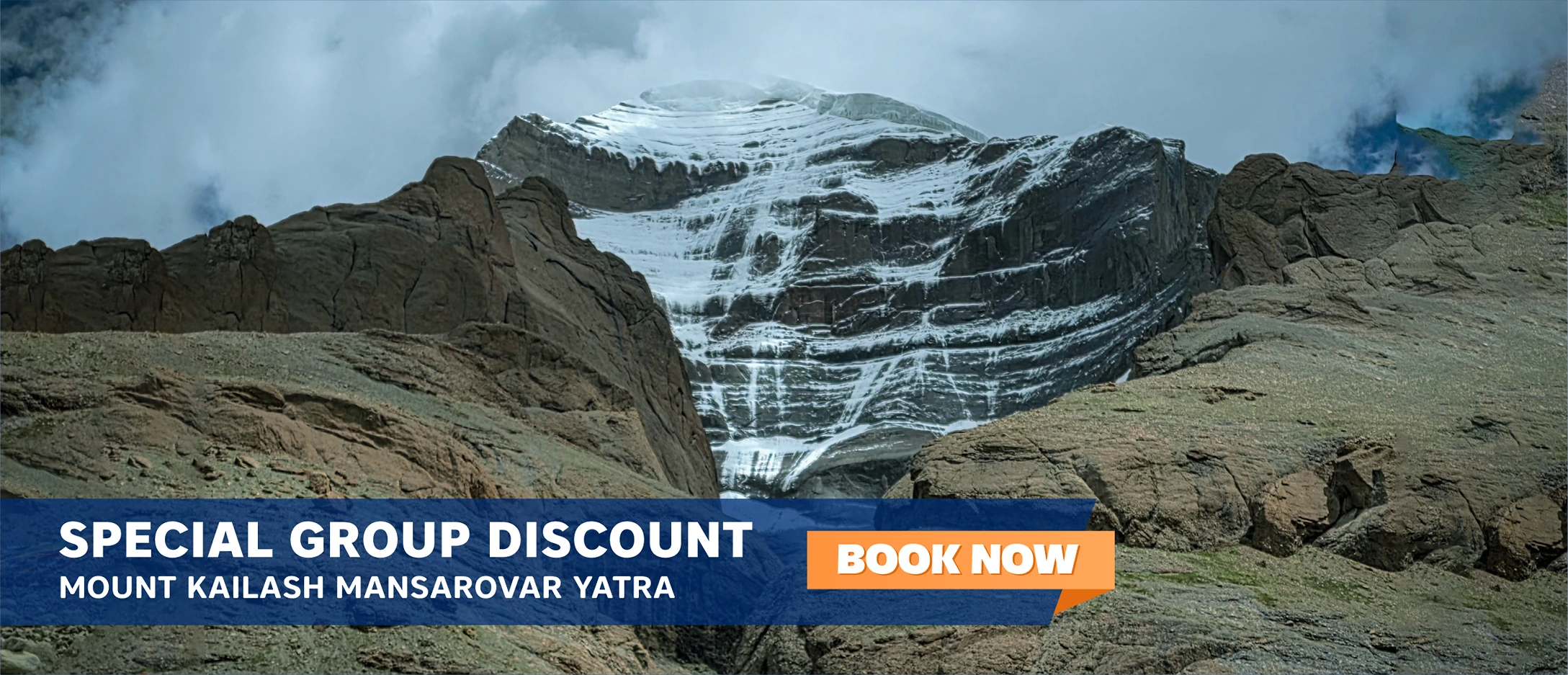
The year 2026 falls in the highly auspicious Fire Horse Year of the Tibetan calendar. It is believed that performing a kora (parikrama) or even having darshan of Mount Kailash during the Horse Year multiplies spiritual merit significantly. As per tradition, one kora in a Horse Year is considered equivalent to thirteen koras in an ordinary year. Undertaking the Kailash Yatra in 2026 is therefore regarded as an extraordinary opportunity to receive enhanced blessings and spiritual merit.
Yatra Facts:
- Trip Duraton: 9 Nights /10 Days
- Travel Type: Kailash Mansarovar Yatra (KMY) by Helicopter
- Startng point: Lucknow, India
- Finishing point: Lucknow India
- Mt. Kailash Height: 6,638 meters from sea level
- Highest point on trek/yatra : Dolmala Pass (5,600 meter / 18,500 (. approx.)
Travel Route:
Lucknow -Nepalgunj – Simikot – Hilsa – Taklakot/Purang – Lake Manasarovar – Darchen -Diraphuk –Zuthulphuk – Hilsa – Nepalgunj – Lucknow – Departure
This nine-day helicopter-based pilgrimage to Mount Kailash has been thoughtfully designed for devotees who wish to experience the sanctity of Mount Kailash and Lake Manasarovar in a shorter yet spiritually fulfilling format. The journey allows pilgrims to reach these revered destinations efficiently while maintaining a balanced flow between travel, acclimatization, and spiritual engagement, making it one of the most preferred ways to undertake the Kailash Yatra.
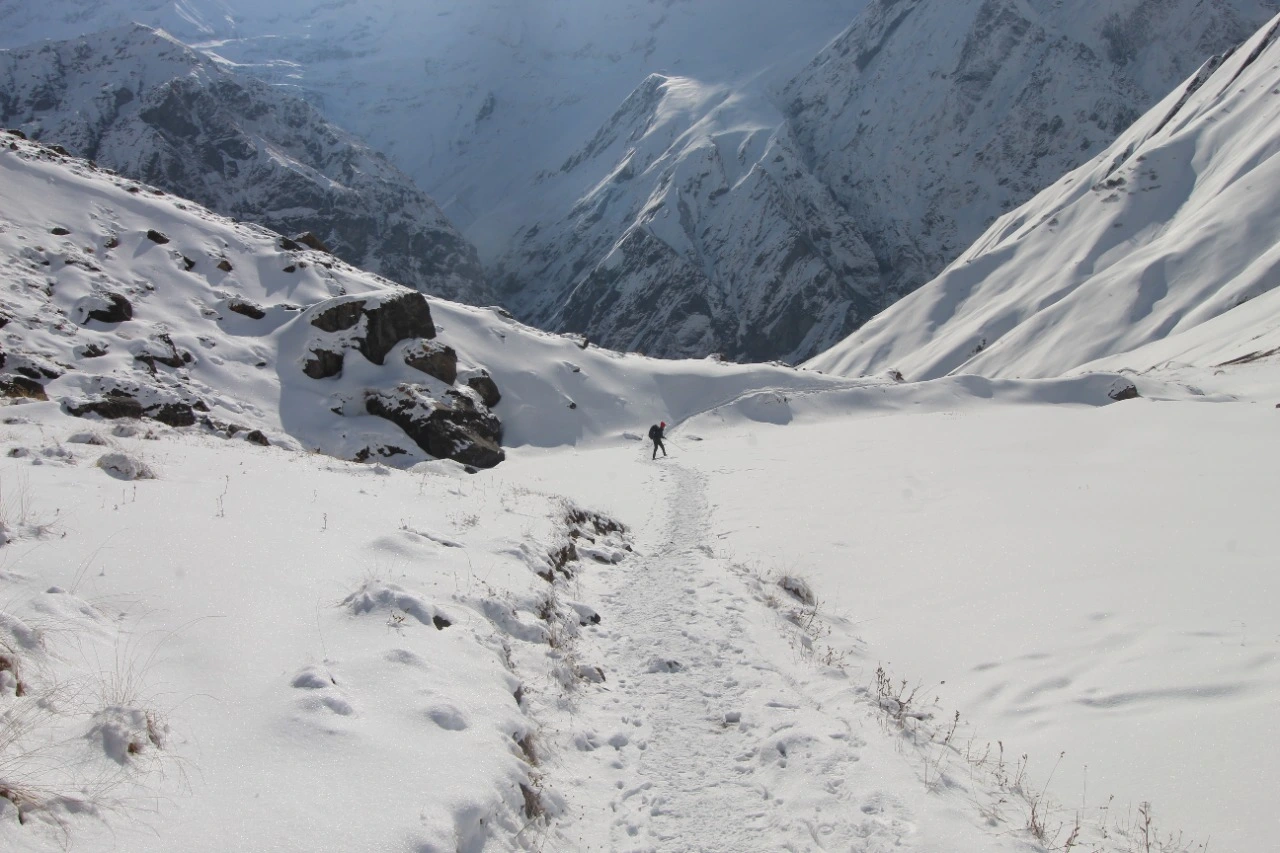
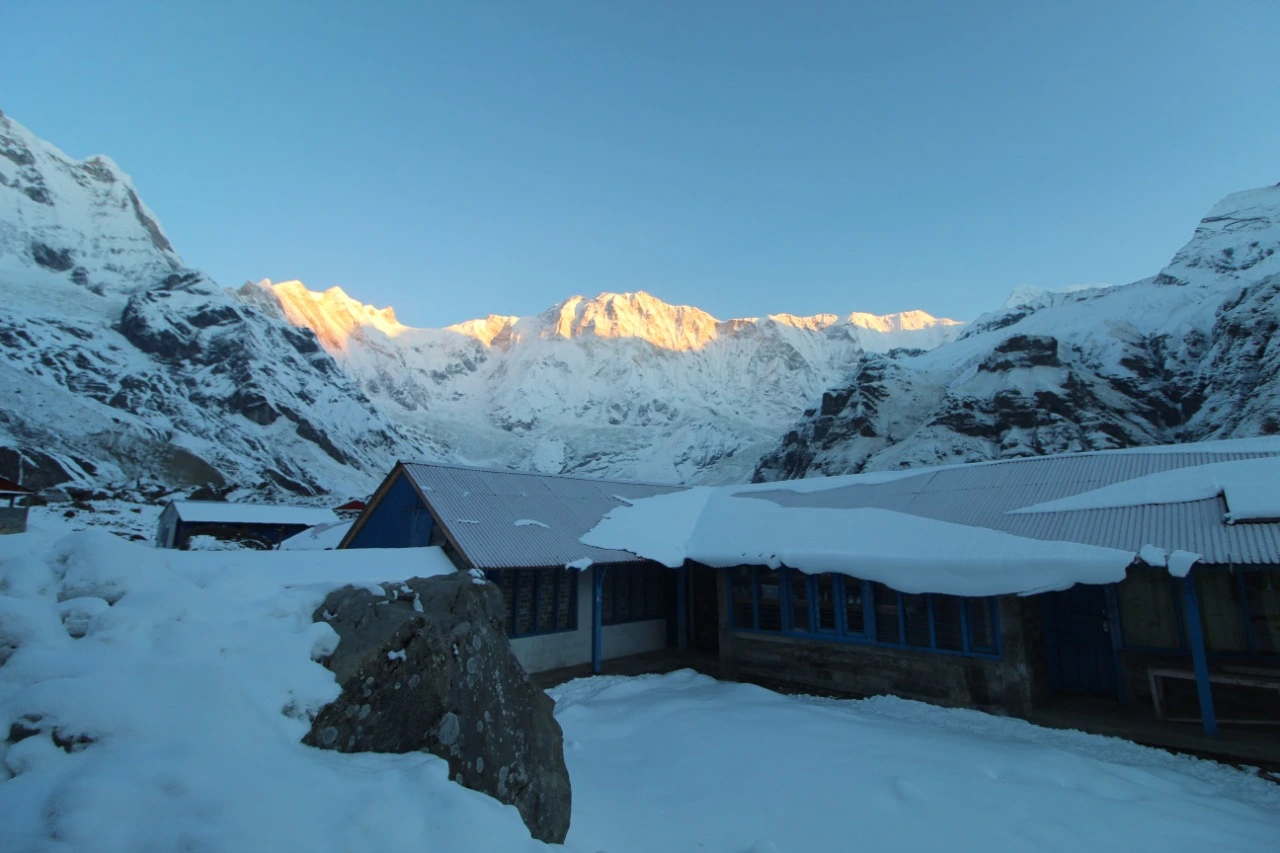
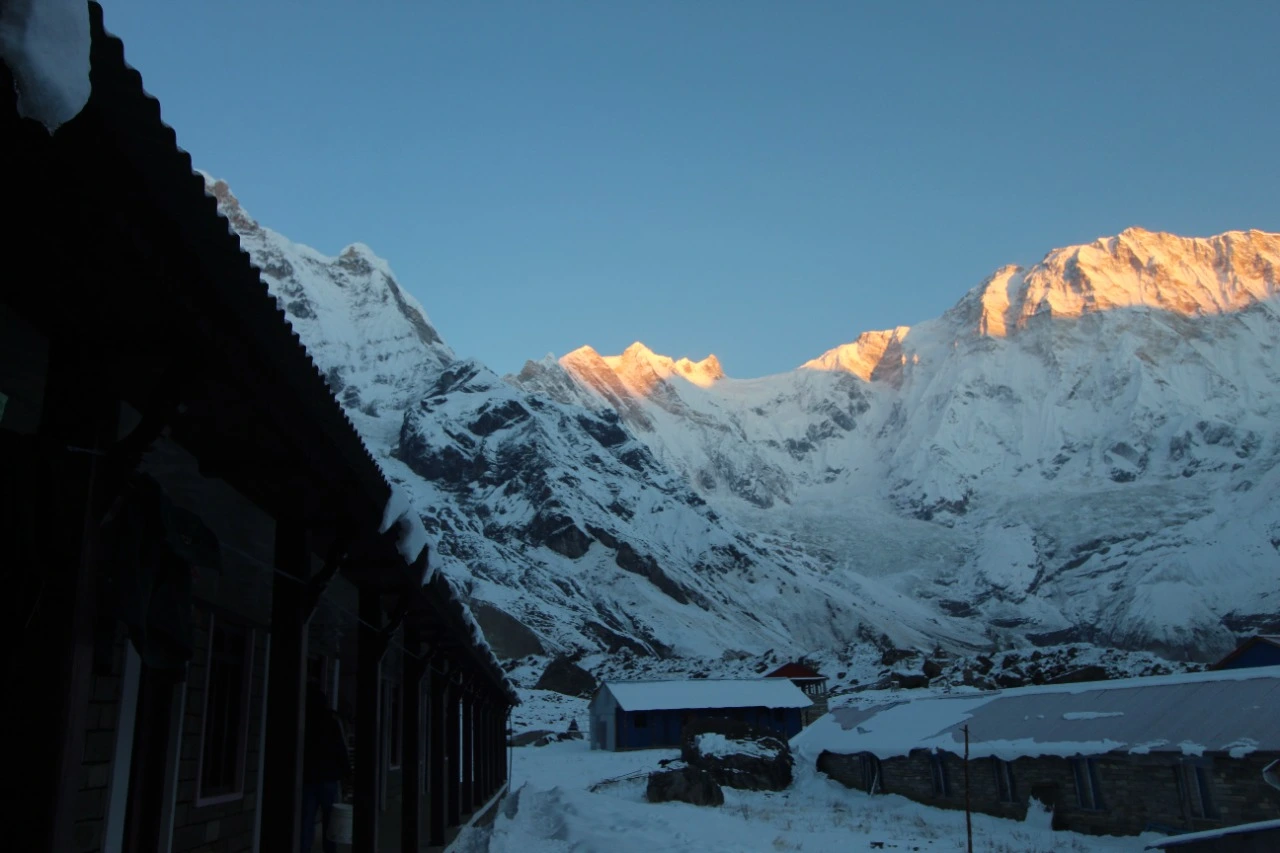
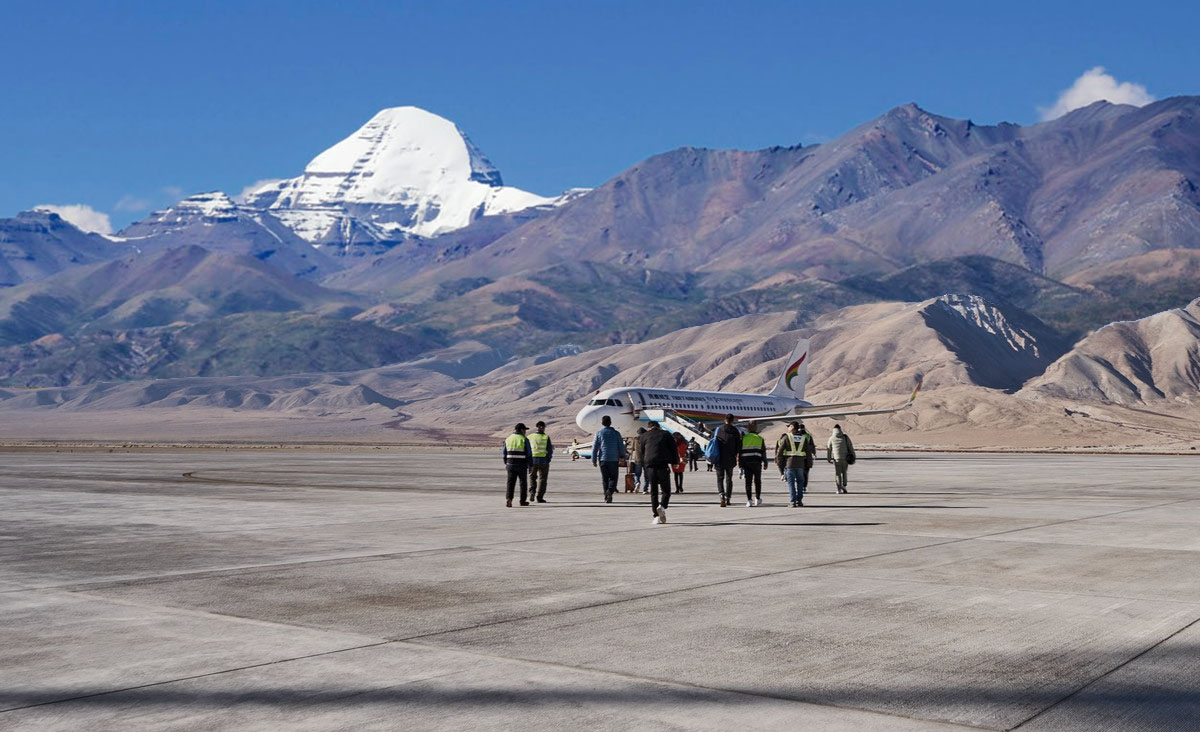
Throughout the journey, travelers witness a dramatic transformation of landscapes. The route passes through rolling hills and deep valleys before opening into expansive mountain vistas that include some of the highest peaks in the world. A major highlight of this pilgrimage is the sequence of aerial journeys — first by fixed-wing aircraft from Nepalgunj to Simikot, followed by a helicopter flight to Hilsa. These flights offer rare panoramic views, showcasing the striking contrast between low-altitude plains and the rugged Himalayan terrain, eventually rising toward the vast high-altitude Tibetan plateau.
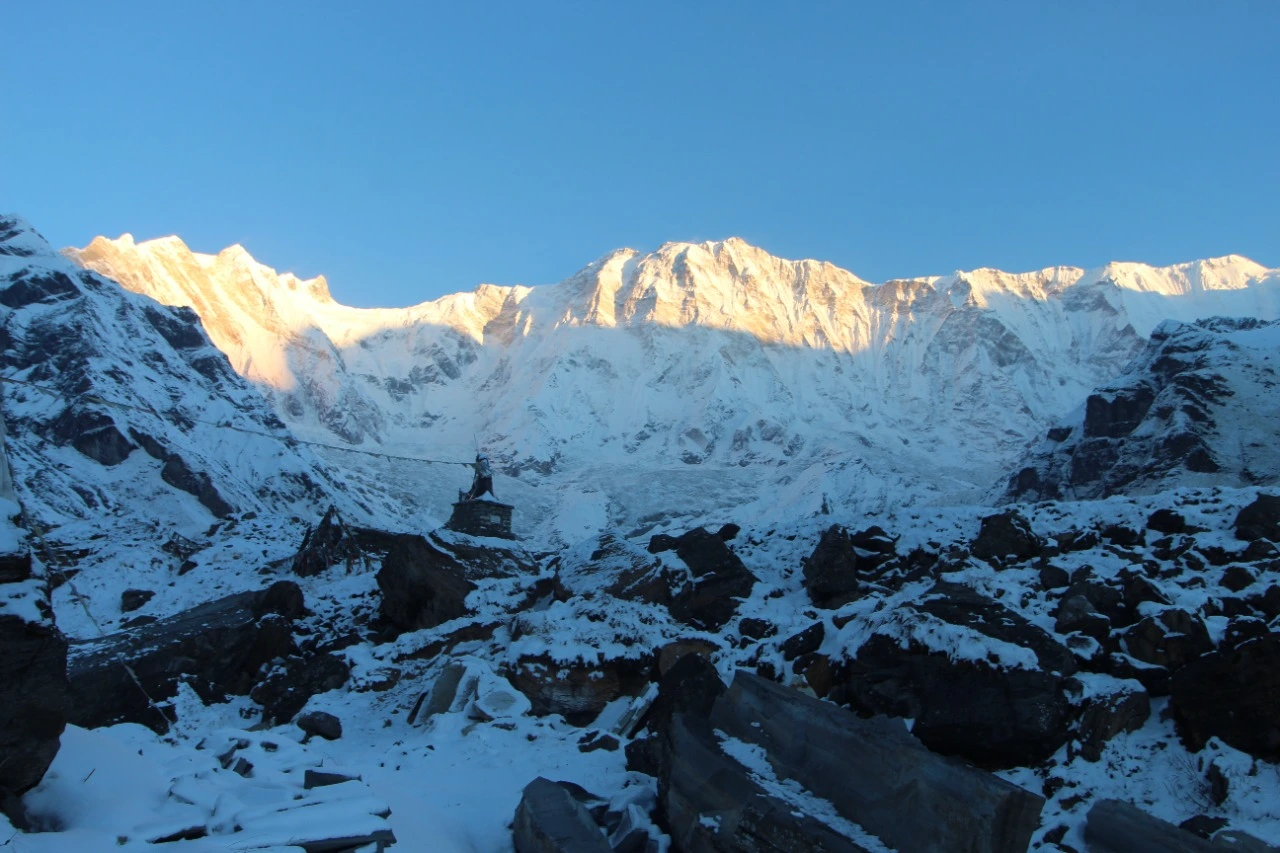
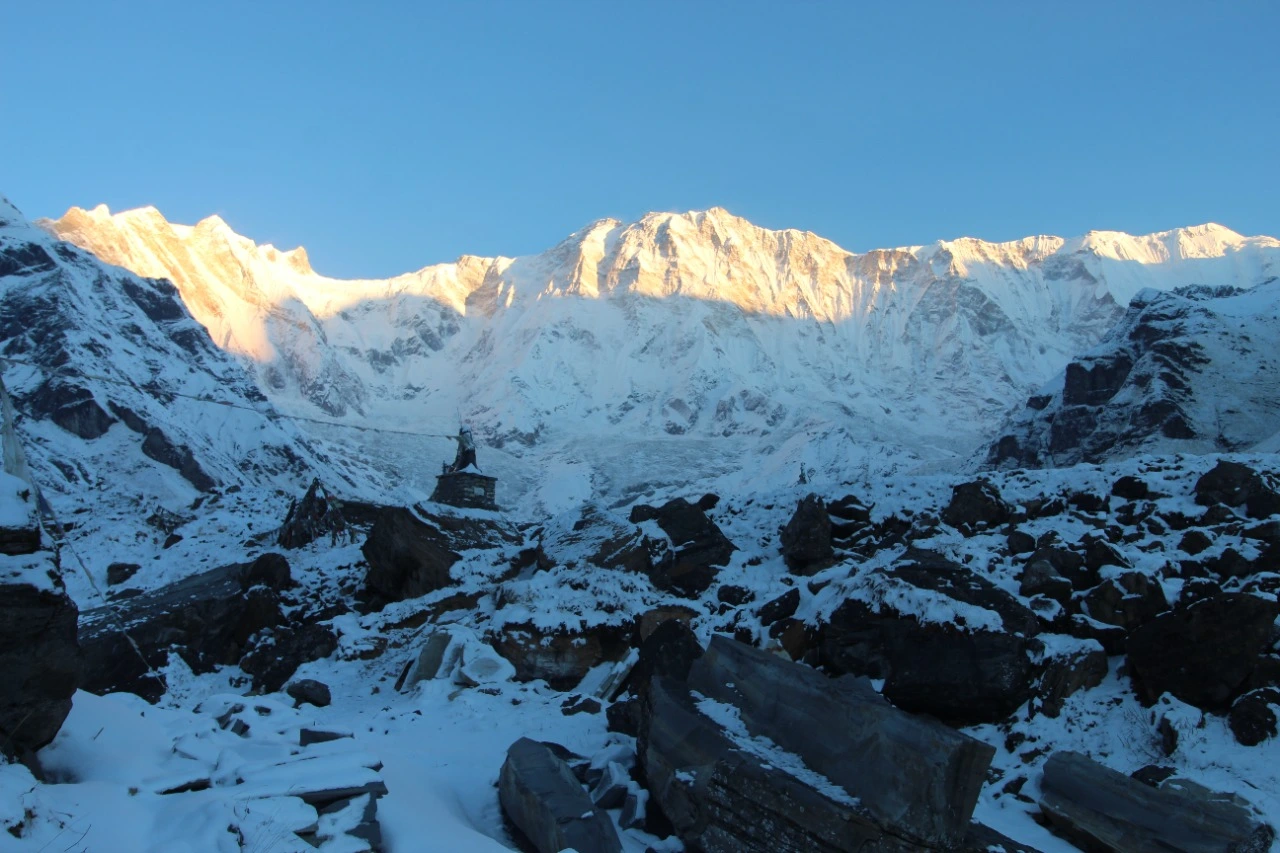
After entering Tibet, the journey continues by road across wide-open landscapes and remote highland regions toward the Mount Kailash area. The pilgrimage reaches its spiritual culmination with the sacred circumambulation (Kora) of Mount Kailash — a deeply symbolic and physically demanding trek. Pilgrims cross the revered Dolma-La Pass, situated at an altitude of approximately 5,610 meters, retracing a path walked by countless devotees for centuries. This final segment represents both a spiritual and personal milestone, bringing the journey to a profound and meaningful conclusion.
This itinerary offers an easier and faster way to complete the pilgrimage. It is especially suitable for working professionals, entrepreneurs, and business owners who wish to save time while attaining Kailash Darshan. It is also ideal for elderly devotees and individuals who may find the traditional overland Kailash Mansarovar Yatra physically demanding.
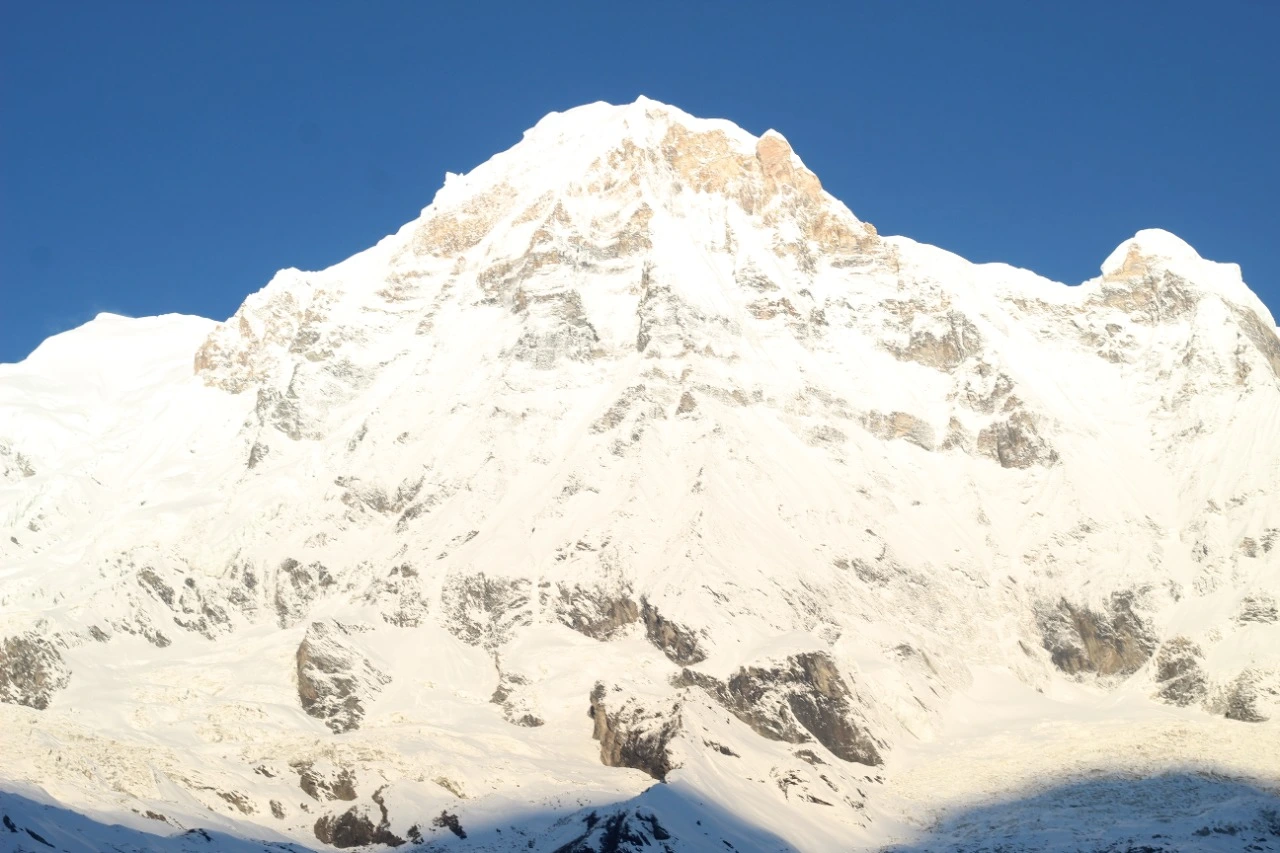
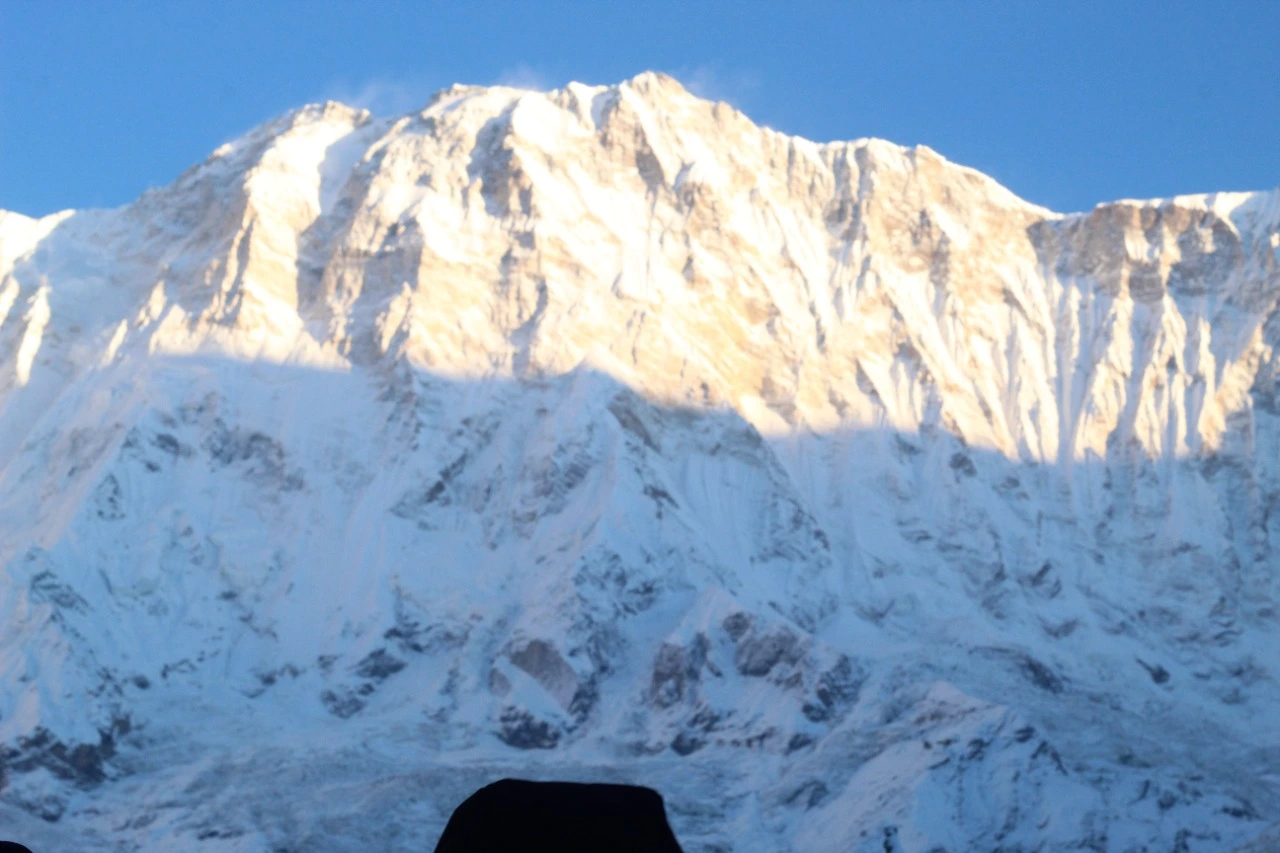
Mount Kailash is not merely a mountain but a powerful symbol of faith and belief, revered across four major religions — Hinduism, Buddhism, Jainism, and Bon. The mountain lies near the sacred Lake Manasarovar and Lake Rakshastal and is regarded as the source region of four major rivers of Asia: the Indus, Sutlej, Brahmaputra, and Karnali.
Lake Manasarovar, located near Mount Kailash, holds immense spiritual significance. Devotees associate the Kailash Mansarovar Yatra with deep religious meaning and personal transformation, guided by beliefs and traditions described in various sacred texts.